![All Beauty 03 [none LTD] 2](https://allbeautylaser.ca/wp-content/uploads/2023/09/All-Beauty-03-none-LTD-2.png "All Beauty 03 [none LTD] 2")
Clear, healthy skin often requires more than daily skincare products. Concerns like acne scars, uneven texture, pigmentation, and early signs of aging usually respond better to professional skin resurfacing treatments.
Two of the most effective options are microneedling and chemical peels. While both treatments improve skin quality, they work in different ways and suit different skin concerns.
Microneedling boosts collagen by triggering the skin’s natural healing process. Chemical peels resurface the skin using controlled exfoliation to improve tone and clarity.
Understanding microneedling vs. chemical peels helps you choose the right treatment for your skin type, goals, and recovery preferences.
Key Insights
- Microneedling and chemical peels both enhance skin health, but they target different layers of the skin and use different techniques.
- Microneedling stimulates collagen and elastin production, helping strengthen and repair the skin from within.
- Chemical peels improve skin appearance by exfoliating damaged outer layers and revealing fresher skin underneath.
- Microneedling is more effective for treating acne scars, uneven texture, and early signs of aging.
- Chemical peels are better suited for addressing hyperpigmentation, sun damage, and uneven skin tone.
- Microneedling typically involves minimal downtime, with mild redness lasting a few days.
- Downtime from chemical peels varies depending on peel strength and skin sensitivity.
- Microneedling is suitable for most skin types, including sensitive and deeper skin tones.
- Chemical peels require careful customization to reduce the risk of irritation or pigmentation issues.
What is Microneedling?
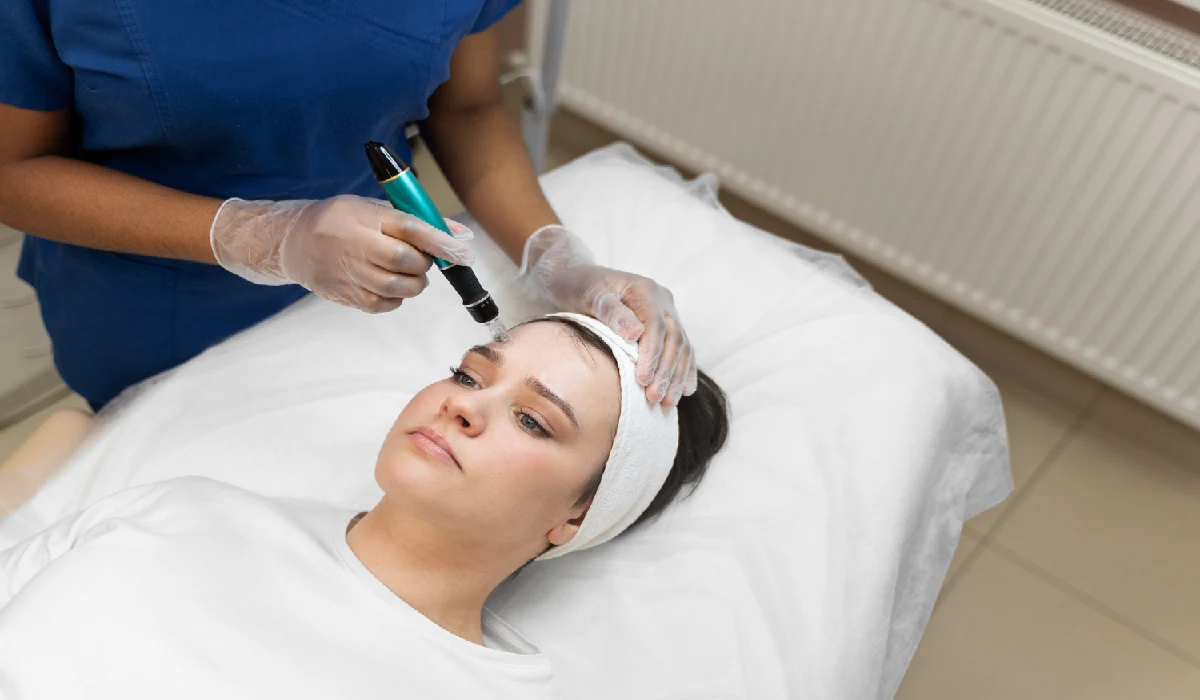
Microneedling is a minimally invasive skin treatment designed to improve texture and overall skin quality. It uses a device with fine, medical-grade needles to create tiny micro-injuries on the skin’s surface.
These controlled microchannels activate the body’s natural healing response. As the skin repairs itself, it produces more collagen and elastin. This process helps strengthen the skin from within rather than simply treating the surface.
If you are in search of the best microneedling procedures, make sure you look for professional help for the best results.
Key Benefits of Microneedling
Microneedling offers multiple skin benefits by improving the skin from within. It focuses on long-term repair rather than surface-level exfoliation, making it a popular choice for overall skin rejuvenation.
-
Improves Acne Scars and Texture
Microneedling is highly effective for reducing acne scars and uneven skin texture. By stimulating collagen production, it helps smooth pitted scars and refine the skin’s surface over time.
-
Boosts Natural Collagen Production
One of the biggest benefits of microneedling is its ability to increase collagen and elastin. This leads to firmer, more resilient skin and helps reduce fine lines and early signs of aging.
-
Enhances Skin Tone and Pore Appearance
Regular microneedling sessions can improve skin tone and minimize the appearance of enlarged pores. The skin gradually looks smoother and more balanced.
-
Supports Hair Growth Treatments
In hair microneedling, the treatment enhances scalp circulation and improves the absorption of topical hair growth solutions. This makes it a useful option for addressing early-stage hair thinning.
-
Minimal Downtime
Most people experience mild redness for one to three days. This makes microneedling suitable for those who want visible results without extended recovery time.
What is a Chemical Peel?
A chemical peel is a professional skin treatment that improves skin tone and texture through controlled exfoliation. It uses carefully formulated chemical solutions to remove the outer layers of dead or damaged skin.
As the treated skin peels away, new and healthier skin cells emerge. This process helps improve brightness, smooth rough texture, and reduce visible discoloration. A chemical face peel is commonly used to address concerns such as pigmentation, sun damage, acne marks, and uneven skin tone.
Key Benefits of Chemical Peels
Chemical peels deliver visible improvement by resurfacing the skin and removing damaged outer layers. They are especially effective for correcting tone-related concerns and restoring skin clarity.
-
Reduces Hyperpigmentation and Dark Spots
A major benefit of chemical peels is their effectiveness as a chemical peel for hyperpigmentation. They help fade dark spots, sun damage, and post-acne marks by encouraging faster cell turnover.
-
Improves Skin Tone and Brightness
Chemical peels reveal fresher skin underneath, resulting in a brighter and more even complexion. This makes them a popular option for dull or uneven skin tone.
-
Smooths Fine Lines and Rough Texture
By removing damaged surface layers, chemical peels soften fine lines and improve overall skin smoothness. Regular treatments can help maintain refined skin texture.
-
Effective Acne and Congestion Control
Chemical peels help unclog pores and reduce active breakouts. They are often used to manage acne-prone skin and prevent future congestion.
-
Customizable Treatment Options
Chemical peels come in different strengths and formulations. This allows practitioners to select the best chemical peel based on skin type, sensitivity, and specific concerns.
Microneedling and Chemical Peels: Key Differences
While both treatments improve skin quality, microneedling in Surrey and West Vancouver and chemical peels differ in how they work, what they treat best, and how the skin recovers.
Understanding chemical peel vs microneedling helps you choose the right option for your concerns.
-
Treatment Method
Microneedling uses fine needles to create controlled micro-injuries in the skin. These microchannels stimulate collagen and elastin production from within.
Chemical peels use medical-grade acids to exfoliate the outer layers of the skin. This process removes dead skin cells and encourages new skin to form on the surface.
-
Skin Concerns Addressed
Microneedling is best suited for acne scars, uneven texture, fine lines, and loss of firmness. It improves skin structure over time.
Chemical peels work well for pigmentation, sun damage, acne marks, and dull skin. They are often chosen for tone correction and surface-level concerns.
-
Depth of Treatment
Microneedling targets deeper layers of the skin where collagen is produced. Results build gradually with multiple sessions.
Chemical peels primarily affect the outer layers of the skin. Stronger peels can reach deeper layers but require more recovery time.
-
Downtime and Recovery
Microneedling typically causes redness and mild sensitivity for one to three days.
Chemical peels may cause peeling, flaking, or redness depending on the peel strength. Downtime can range from minimal to several days.
-
Suitability for Skin Types
Microneedling is generally safe for most skin tones and is often preferred for sensitive or darker skin types.
Chemical peels must be carefully selected for skin tone and sensitivity, as stronger peels may increase the risk of irritation or pigmentation issues.
-
Speed of Results
Microneedling delivers gradual improvement as collagen rebuilds over time.
Chemical peels often provide faster visible results, especially for pigmentation and brightness.
How to Choose the Right Treatment?
Choosing between microneedling and chemical peels depends on your skin concerns, skin type, and how quickly you want to see results. There is no one-size-fits-all option. The right choice is based on what your skin needs most.
-
Identify Your Main Skin Concern
If your primary concern is acne scars, uneven texture, fine lines, or loss of firmness, microneedling is often the better option. It works by rebuilding collagen and improving skin structure over time.
If pigmentation, dark spots, sun damage, or dullness are your main issues, chemical peels are usually more effective. They focus on improving skin tone and surface clarity.
-
Consider Your Skin Type and Sensitivity
Microneedling is generally suitable for most skin types, including sensitive and deeper skin tones, when performed correctly.
Chemical peels require careful selection. Lighter peels suit sensitive skin, while stronger peels are better for resilient skin and specific pigmentation concerns.
-
Evaluate Downtime and Recovery
If you prefer minimal downtime, microneedling may be a better fit, as redness usually settles within a few days.
Chemical peels can involve visible peeling, depending on the strength used. Recovery time varies from mild to moderate.
-
Think About Long-Term vs Faster Results
Microneedling delivers gradual, long-term improvement as collagen builds with each session.
Chemical peels often provide quicker visible results, especially for brightness and pigmentation.
-
Get Professional Guidance
A professional skin assessment is essential. A trained practitioner can evaluate your skin and recommend the safest and most effective treatment, or even a combination approach for optimal results.
If you are looking for the best laser clinic in Surrey, BC, make sure to check out All Beauty Laser Clinic & Spa for various services and operations.
Frequently Asked Questions
Is microneedling safer than chemical peels?
Microneedling is often safer for sensitive and darker skin tones because it does not use chemical exfoliation. Both treatments are safe when performed by professionals.
Which treatment is better for acne scars?
Microneedling is better for acne scars, especially deep or textured scars. Chemical peels work best for surface marks and discoloration.
Can microneedling and chemical peels be combined?
Yes. When spaced properly, combining both chemical peel skin treatment in Surrey and West Vancouver can improve texture, tone, and overall results.
Which treatment has less downtime?
Microneedling usually has less downtime, with redness lasting a few days. Chemical peels may cause visible peeling depending on their strength.
Are these treatments suitable for all skin types?
Most skin types can tolerate microneedling. Chemical peels must be selected carefully based on skin type and sensitivity.
Final Thought
Microneedling and chemical peels improve skin clarity, texture, and health. They work differently to address different skin issues despite having similar goals.
Microneedling boosts collagen production, strengthening the skin. Improving acne scars, uneven texture, and early aging are its best uses. Surface-level chemical peels brighten, reduce pigmentation, and improve tone through controlled exfoliation.
Choosing between the two depends on your skin type, concerns, and recovery preferences. In many cases, a personalized or combined treatment approach delivers the best results.
A professional consultation ensures the treatment is tailored to your skin’s needs, helping you achieve clearer, healthier-looking skin safely and effectively.