![All Beauty 03 [none LTD] 2](https://allbeautylaser.ca/wp-content/uploads/2023/09/All-Beauty-03-none-LTD-2.png "All Beauty 03 [none LTD] 2")
Nothing’s worse than shaving wrong and ending up with an ingrown hair. That’s because it’s not just a minor inconvenience; it’s something that turns into a source of constant pain for days.
They not only leave you uncomfortable, but also cause visible skin concerns. Over time, the cycle of removing hair, dealing with irritation, and waiting for it to heal becomes frustrating.
You might try to treat them with traditional methods such as plucking or waxing, but these methods might just make matters worse. That’s because they leave behind inflammation, dark spots, and painful bumps.
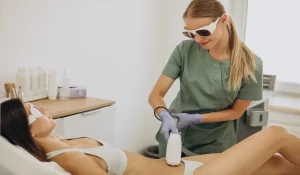
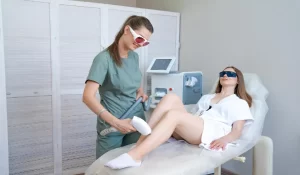
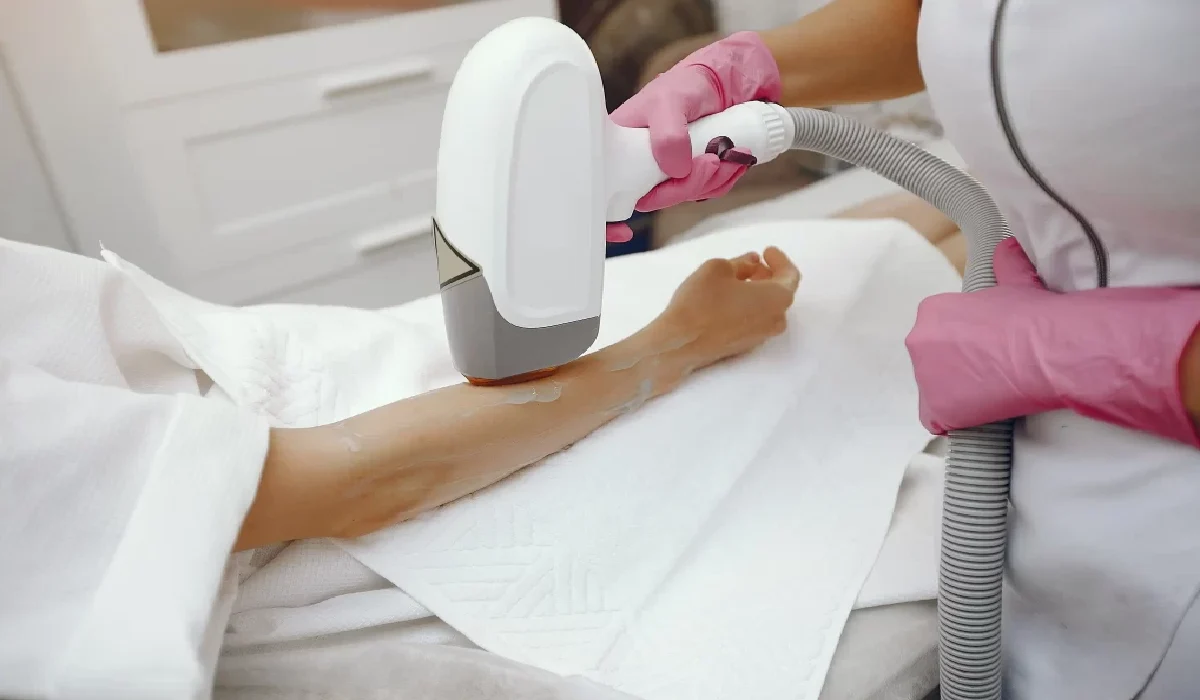
And that is exactly why laser hair removal for ingrown hairs is the best treatment. It directly targets hair at the root and reduces regrowth, effectively eliminating the issue from its origin.
And if you are new to the concept of laser treatment, this blog’s going to tell you all about it:
Key takeaways
- Ingrown hairs are common after shaving or waxing. It can cause pain, irritation, pigmentation
- Laser hair removal targets hair follicles directly. This reduces regrowth and helps treat recurring ingrown hairs effectively.
- Unlike traditional hair removal methods, laser treatment minimises irritation and improves skin texture.
- With minimal discomfort and downtime, laser hair removal provides a safe and convenient solution.
- Choosing expert-led laser treatment ensures personalised care, safer procedures, and smoother skin over time.
What are ingrown hairs?
You may have experienced tiny red bumps inflammation on your skin after shaving or waxing. This is typically the result of your hair growing into your skin instead of out of it.
In simpler terms, ingrown hairs are hairs that curl back on themselves and start growing inside your skin. This is what causes the skin to grow into bumps and become irritated. But worry not, there are ingrown hair treatments that can solve the problem smoothly.
Let’s take a look at some of the common causes and symptoms of ingrown hairs:
Causes
- Curly or coarse hairs: People with naturally curly or coarse patches of hair are more prone to ingrown hairs as they tend to curl back on themselves, getting trapped beneath the surface.
- Incorrect removal of hairs: Waxing or shaving in a wrong way can leave the hair strands with a sharp edge that pierces back into the skin, causing inflammation and bumps.
Symptoms
- Small, raised bumps on the skin.
- Redness and inflammation around the affected area.
- Itching or tenderness.
- Pus-filled bumps in some cases or hyperpigmentation.
- A visible hair trapped under the skin.
Does laser hair removal help treat ingrown hairs?
The traditional methods of removing ingrown hair might give you temporary relief, but they do not deal with the root cause. This often results in even worse conditions.
Laser treatment on the other hand, uses light energy that reaches directly to the hair follicles which damages their ability to regrow.
Here’s a clear break down as to how each method treats your ingrown hair:
1. Shaving
Cuts hair at the surface, often leaving sharp edges that grow back into the skin.
2. Waxing
Pulls hair from the root, but can cause breakage and irritation.
3. Tweezing
Targets individual hairs, but increases the risk of uneven regrowth.
4. Laser hair removal treatment
Reduces hair growth at the follicle level, minimizing regrowth and ingrown hairs.
It’s quite clear how effective laser treatment can be for ingrown hair. Unlike traditional methods that just provide temporary results and continue the cycle, laser treatment provides permanent treatment.
Can laser hair removal prevent ingrown hair?
Laser hair removal works by targeting the pigment in the hair follicle. This damages it and slows down future hair growth effectively preventing ingrown hairs.
Since ingrown hairs develop due to repeated hair regrowth, reducing the hair itself significantly lowers the chances of hair becoming trapped under the skin. And over multiple sessions, hair becomes finer, lighter, and grows less frequently. As a result, the skin gets time to heal and remains smoother.
Many individuals notice a visible reduction in ingrown hairs after just a few treatments, establishing it as a go-to solution for lasting relief.
Benefits of laser treatment
Laser hair removal offers more than just long-term hair reduction. It improves overall skin health by targeting hair follicles while leaving surrounding skin unharmed. With consistent sessions, it enhances skin texture and reduces common skin concerns. It even delivers lasting cosmetic and dermatological benefits.
Here’s a detailed look at its benefits:
1. Brightens skin
Prolonged sun exposure can result in many skin concerns such as hyperpigmentation and uneven skin tones. To tackle this, laser treatment reduces excess melanin production (responsible for skin discoloration).
2. Minimally invasive
With laser treatments, you do not have to worry about long bed-rests or complicated procedures, then don’t be. That’s because they are minimally invasive with low downtimes.
3. Treats acne and acne scars
Laser treatment has proven effective for dealing with different types of acne scars. It minimizes clogged pores and reduces the appearance of scars.
4. Reduces hair growth permanently
Along with being the best treatment for ingrown hairs, laser also reduces hair growth. With multiple sessions, hair becomes finer, lighter, and eventually minimal.
After care tips for laser treatment
Though laser treatment gives minimal discomfort, after care is required. You may experience mild redness or warmth in the treated area, similar to a sunburn. These effects usually subside within a few hours to a day. But taking proper care is essential to ensure proper healing and optimal results.
To avoid unnecessary complications, these tips need to be followed:
- Avoid sun exposure and always use sunscreen on treated areas.
- Refrain from hot showers, saunas, or intense workouts for at least 24 hours.
- Do not wax between laser treatment for ingrown hairs sessions. Shaving is usually allowed.
- Keep the skin moisturized and avoid harsh skincare products.
- Let the healing happen on its own. Do not pluck or scab any crust developed.
Frequently asked questions
1. Will laser hair removal remove ingrown hairs?
Yes, laser hair removal reduces existing ingrown hairs by weakening follicles and preventing problematic regrowth.
2. Will insurance cover laser hair removal for ingrown hairs?
Insurance usually does not cover laser hair removal, unless deemed medically necessary by a dermatologist.
3. Is waxing or lasers better for ingrown hairs?
Laser is better than waxing because it reduces hair regrowth and prevents recurring ingrown hairs.
4. How do you get rid of ingrown hairs permanently?
Permanent reduction requires laser hair removal, proper skincare, regular sessions, and avoiding harsh hair removal methods.
Conclusion
Ingrown hairs may start as a small concern, but they can affect both skin health and confidence. And yes, traditional hair removal methods often worsen the problem.
Trying out modern solutions such as laser treatment offer a safer and more effective alternative to these age-old methods.
Laser ingrown hair removal addresses ingrown hairs at their root, reducing recurrence and improving overall skin texture. That too with minimal discomfort, quick recovery, and long-term results.
Hence, it stands out as a reliable option for better results. And with consistent sessions and proper aftercare, it not only reduces ingrown hairs but can also improve overall skin health.
Choosing expert-led treatment ensures smoother skin and fewer future concerns. And we at allbeautylaser are committed to delivering safe and effective laser treatments, so that you can rest-free from the worries of ingrown hairs!