![All Beauty 03 [none LTD] 2](https://allbeautylaser.ca/wp-content/uploads/2023/09/All-Beauty-03-none-LTD-2.png "All Beauty 03 [none LTD] 2")
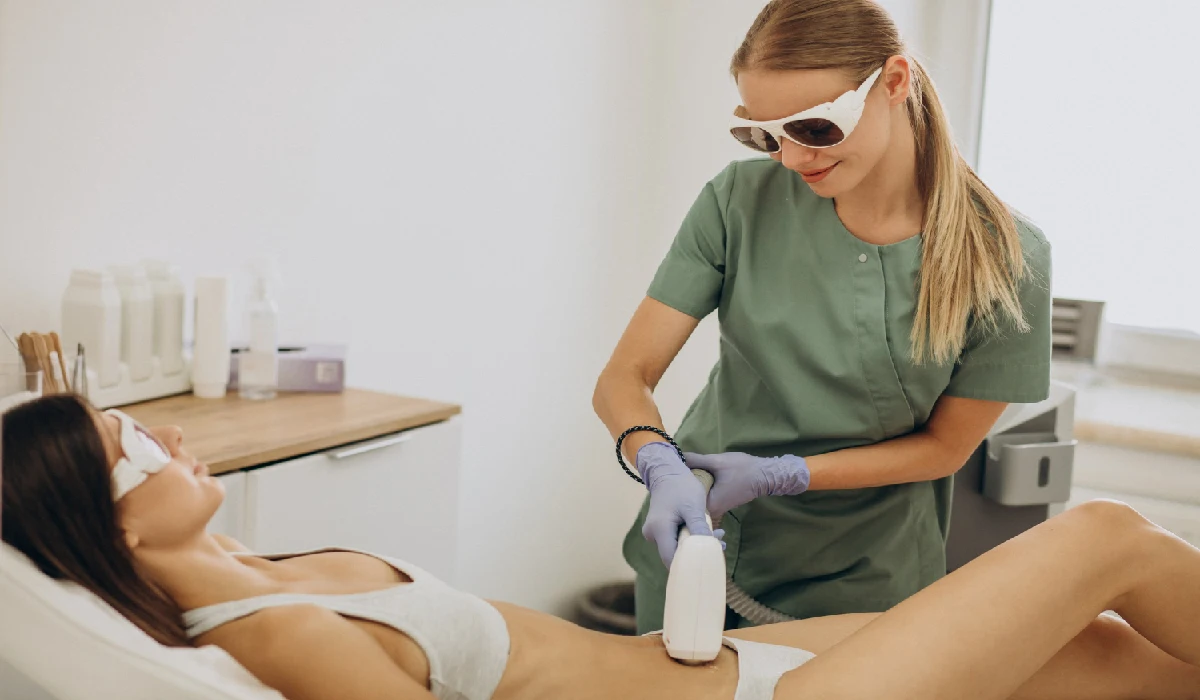
In Vancouver, laser hair removal outcomes depend largely on how well a clinic matches the laser type and settings to your skin tone and hair characteristics, applies documented safety controls, and sets expectations around permanent reduction rather than total removal.
A credible clinic should be able to explain why a specific laser is appropriate for your skin and hair, describe its safety protocols clearly, and outline a realistic treatment plan based on hair-growth cycles.
Laser hair removal is a medical-adjacent procedure with real risks (burns, pigmentation changes, scarring, eye injury). The goal here is a decision you can defend: not “which place has the loudest marketing,” but “which provider will be safe and effective for my body.”
What “best clinic” means in Vancouver, not what the ads imply
A “best” laser hair removal clinic is one that reliably produces hair reduction while keeping complication risk low for your skin type, hair colour, and medical history. The Canadian Dermatology Association describes laser hair removal as targeted energy to disrupt follicles, typically requiring a series of treatments, with side-effects that can include blistering, discolouration, redness, swelling, and scarring, and higher pigmentation risk with tanned or darker skin. In that same guidance, IPL is distinguished from lasers and flagged for higher burn risk in some cases. The details in the Canadian Dermatology Association’s hair removal and reduction guidance are the baseline standard for what a clinic should be able to explain in plain language.
What tends to separate strong clinics from average ones
- Laser selection is justified: a provider can explain why a wavelength is chosen for your skin tone and hair density, not just say “it works for everyone.”
- Settings are adjusted per session: skin response changes between visits, especially with sun exposure or hormonal shifts.
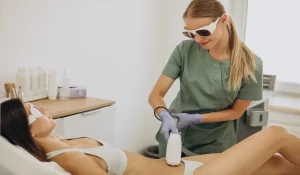
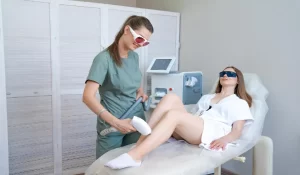
- Safety controls are explicit: eye protection, controlled treatment space, and trained operators are treated as non-negotiables.
- Outcomes are described as reduction: reputable clinics talk about course-based reduction and maintenance, aligning with “permanent reduction” expectations described by dermatology guidance.
- A patch test is normal: patch testing is a practical way to reduce surprise reactions on sensitive skin.
If you want a concrete reference point for what one Vancouver-area provider states it does, All Beauty Laser Clinic & Spa describes using specific platforms (including GentleMax Pro and Triton) and a cooling approach on its laser hair removal treatment page.
How to evaluate safety and supervision without relying on reviews
A clinic can have excellent reviews and still be a poor clinical match for your skin type, or run loose safety practices behind the scenes. A better filter is whether the provider can describe supervision, training, and laser safety controls in a way that maps to formal safety expectations.
In British Columbia, the College of Physicians and Surgeons of BC publishes a “Laser Safety” practice standard for physicians using medical lasers (Class 3B/4), including expectations around training, supervision, and safety programs. The document also points to recognised safety standards (CSA Z386 and ANSI Z136.3) and calls for structured controls such as training levels and a laser safety program. The College’s Laser Safety practice standard (PDF) is written for registrants, yet it’s still useful as a consumer checklist because it clarifies what “serious about lasers” looks like operationally.
Health Canada’s current guidance on laser products explains why this matters: higher-class lasers can be hazardous to eyes and skin and are intended for controlled environments with trained operators, and Canada updated laser-product regulatory requirements effective October 9, 2025. Health Canada summarises laser classification and hazards in its Laser products overview, which helps you interpret whether a clinic treats safety as a system rather than an afterthought.
Clinic safety questions that get real answers
- Who performs treatments, and what training is documented?
Ask for role clarity (technician, nurse, physician oversight) and how competency is assessed. - What eye protection is used for clients and staff?
Eye injury is a known risk category cited in dermatology guidance; a good clinic treats eyewear as essential, not optional. - How is the treatment room controlled?
A controlled environment matters more when higher-power lasers are used. - What happens after an adverse skin reaction?
The answer should include stopping rules, aftercare instructions, and escalation pathways.
A common mistake is choosing based on a single metric (price per session, star rating, “newest machine”). Safety and appropriateness sit upstream of all of that.
How many sessions you should expect, and what changes the plan
Most clients should expect a course of treatments, not a one-and-done outcome, because hair grows in cycles and lasers mainly affect follicles in the active growth phase. The Canadian Dermatology Association notes that a series of treatments is usually required and gives a typical range of six to eight treatments spaced weeks apart, while also describing that results can last months and that complete removal is not guaranteed. The relevant “what to expect” guidance appears in the Canadian Dermatology Association’s laser hair removal section.
Plan-shaping variables clinics should discuss upfront
| Variable | Why it changes results | What “good planning” looks like |
| Skin tone (Fitzpatrick type) | Higher melanin increases burn/pigment risk if laser choice/settings are wrong | Laser selection and conservative ramp-up with patch testing |
| Hair colour and thickness | Lasers target pigment; very light hair responds poorly | Honest suitability screening, alternatives if needed |
| Area being treated | Hormone-sensitive areas (face) can be less predictable | Maintenance expectations and longer timelines |
| Sun exposure/tan | Increases pigment risk | Clear sun-avoidance rules and rescheduling guidance |
If you need a fast timeline for a specific event, the “best” clinic is the one that will tell you when not to start. Laser timelines often run across months, and rushed courses increase the risk of poor settings decisions.
Choosing the right laser type for your skin tone and hair type
Laser hair removal works by targeting dark pigment in the hair follicle, so the match between laser wavelength and your skin/hair combination matters more than brand-name hype. The Canadian Dermatology Association states that effectiveness depends on targeting pigment and that darker skin may require a different type of laser, while very light hair (blond, red, white) does not readily respond. That guidance is spelled out in its candidate considerations section.
Practical laser-matching guidance you can use in consults
- Darker skin tones: ask what approach is used to reduce epidermal heating risk and how settings are ramped conservatively.
- Finer hair: ask whether the clinic expects reduced response and how it avoids overtreatment chasing diminishing returns.
- Hormone-influenced growth: ask how the plan adapts if new hair appears months later; dermatology guidance notes new hair can develop over time due to factors like age, medical conditions, or hormonal changes.
This is where clinics that rely on generic “works for everyone” messaging fall apart. A best-fit provider can explain the mechanism, expected limits, and safety trade-offs without overpromising.
Best options by real-life constraints in Vancouver
“Best clinic” changes based on your constraint, because the risk profile and success likelihood change with it. Use these as matching rules during consultations.
| Your constraint | What “best fit” looks like | What to ask |
| Deeper skin tone or prone to hyperpigmentation | Conservative settings, patch tests, clear burn/pigment prevention plan | “What’s your protocol if pigment changes appear?” |
| History of ingrowns or folliculitis | Hair-removal plan that prioritises reducing trapped hair and irritation | “How do you handle ingrown-prone areas?” |
| Sensitive areas (face, bikini) | Pain and aftercare protocols that reduce irritation and downtime | “What aftercare is standard for this area?” |
| Budget sensitivity | Transparent pricing structure and realistic package terms | “What happens if I pause treatments?” |
| Short timeline | Honest feasibility screening and willingness to delay | “What’s the earliest meaningful improvement timeline?” |
If ingrowns are a primary driver for treatment, a relevant internal reference is how All Beauty Laser Clinic & Spa describes addressing ingrowns with laser platforms on its ingrown hair removal page. The decision point is not the marketing claim; it’s whether the clinic can link that claim to a plan for your skin’s reaction pattern.
What usually goes wrong when people pick the wrong clinic
The highest-cost mistakes are predictable, and they show up across clinics in every major city.
- Treating IPL and laser as interchangeable: the Canadian Dermatology Association explicitly distinguishes IPL from lasers and flags injury risks, so a clinic that blurs that line is signalling weak technical clarity.
- Starting while tanned: pigment risk rises when skin is darker than baseline; best-fit clinics have strict sun rules and rescheduling policies.
- Buying a package before skin response is proven: without a patch test and early-session feedback, you are locking in before the provider has demonstrated safe settings on your skin.
- Chasing “permanent removal” promises: dermatology guidance frames outcomes as permanent reduction and notes limits around complete removal, especially for finer hair.
- Ignoring supervision and safety controls: laser hazards are real; Health Canada’s laser classification overview makes clear that higher classes require controlled environments and trained operators.
This content is for informational purposes only and does not constitute medical advice. Always consult a qualified healthcare provider or appropriately trained clinician for diagnosis and treatment decisions specific to your situation.